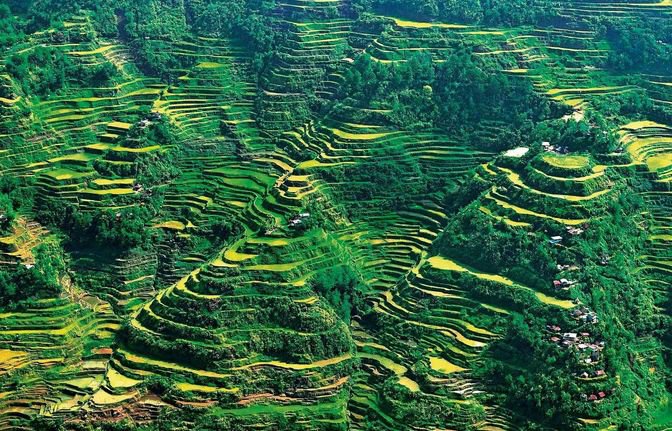
Kalinga is a landlocked province of the Philippines in the Cordillera Administrative Region in Luzon. Its capital is Tabuk and borders Mountain Province to the south, Abra to the west, Isabela to the east, Cagayan to the northeast, and Apayao to the north. Prior to 1995, Kalinga and Apayao used to be a single province named Kalinga-Apayao, until they were split into two to better service the needs of individual native tribes in the provinces.
The name Kalinga is derived from the Ibang and Gaddang Kalinga, which means headhunters. In the past, headhunting was considered noble and it symbolizes bravery. Tattoos, a status symbol which men respect and which women admire, are given to warriors as reward. Thus a mingol or warrior enjoys a high status in Kalinga society.
HOW TO GET THERE
There are basically many ways to go to the province of Kalinga from Manila but the easiest one is via Bontoc. The good news is, you can buy your bus ticket to Bontoc online. There’s no need for you to go to the terminal ahead of time just to secure a seat, especially during weekends and peak season. It’s now the time to visit the beautiful village of Buscalan and meet Apo Whang-Od in person.
From Metro Manila, you can take the Coda Lines bus to the town of Bontoc in the Mountain Province. Coda Lines bus terminal station in Metro Manila is located at HM Transport Bus Terminal, Monte de Piedad/Maryland St. corner EDSA, Immaculate Concepcion, Cubao, Quezon City.
5 PLACES YOU SHOULD VISIT
1. SLEEPING BEAUTY MOUNTAIN
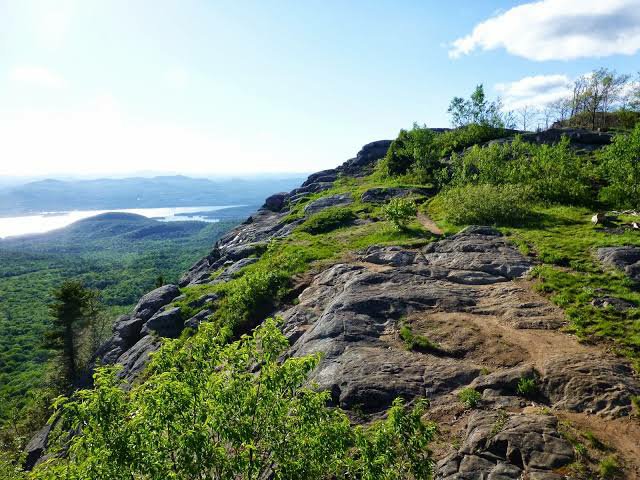
Sleeping Beauty Mountain (also known as Mount Patukan, Mount Mating-oy Dinayao, Mount Mantingoy) is a mountain ridge in Kalinga province of the Philippines. The mountain is called as such because the silhouette of the northern ridge resembles a sleeping woman.It is usually best viewed from the west near the municipality Tinglayan in the Chico River valley, but it can also be viewed from the east near Tanudan.
2. TINGLAYAN RICE TERRACES
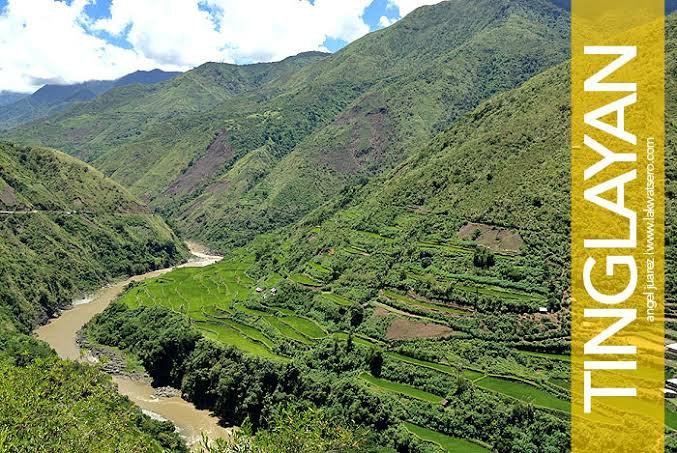
Tinglayan is a name of a town in Kalinga. Tinglayan Rice Terraces (as stated herein) may refer to a group rice terraces scattered in town. One of the most imposing is the Bugnay Rice Terraces located in Bugnay Village. The view of Bugnay Rice Terraces can be seen along the Bontoc-Tabuk Road and it is located across the Chico River.
3. PALAN – AH FALLS
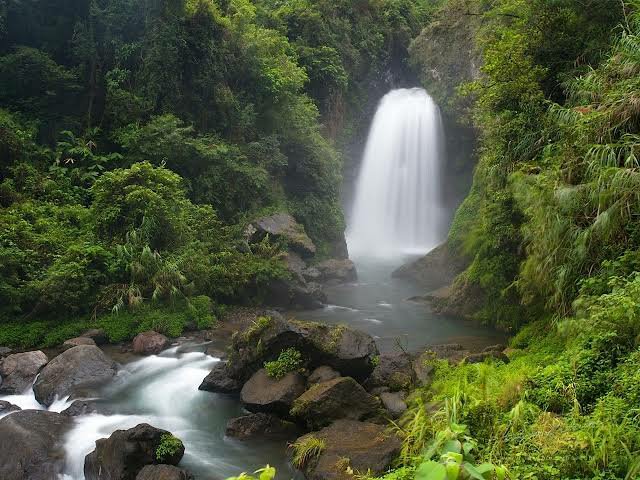
Kalinga Province is one of the most visited areas in the Cordillera Region. Tourists will surely get amazed by the natural wonders of the province. No doubt, Kalinga is popular in their region because of its natural beauty. The province of Kalinga is also ideal for adventure seekers who love hiking mountains and exploring caves.
One of the best attractions in Kalinga Province is the Palan-ah Falls and Hot Springs in Tulgao West, Tinglayan.
4. MOUNT PULAG
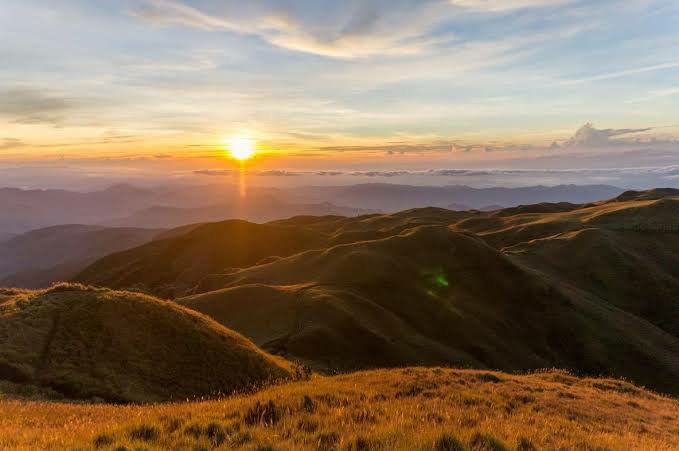
Mount Pulag (or sometimesMount Pulog) is the third highest mountain in thePhilippines. It is Luzon’s highest peak at 2,922 meters above sea level. The borders between the provinces of Benguet, Ifugao, and Nueva Vizcaya meet at the mountain’s peak.
On February 20, 1987, a large part of the mountain was designated as a National Park with Proclamation No. 75. This act aims to preserve the environment around the mountain due to threats from increased development such as conversion to agricultural lands, timber production, hunting, and increased tourism.
The National Park is inhabited by different tribes such as the Ibalois, Kalanguya, Kankana-eys, Karao, Ifugaos and the Ilocanos. The indigenous people of Benguet consider the mountain to be a sacred place.
5. BANAUE RICE TERRACES
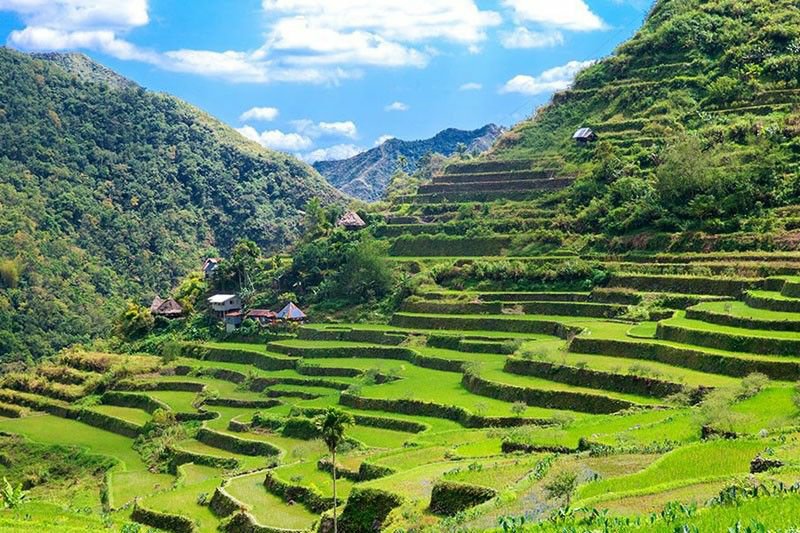
The Banaue Rice Terraces(Filipino:Hagdan-hagdang Palayan ng Banawe) areterracesthat were carved into the mountains ofIfugaoin thePhilippinesby the ancestors of the indigenous people. The terraces are occasionally called the “Eighth Wonder of the World“.It is commonly thought that the terraces were built with minimal equipment, largely by hand.The terraces are located approximately 1,500 metres (4,900 feet) above sea level. These are fed by an ancientirrigationsystem from the rainforests above the terraces. It is said that if the steps were put end to end, it would encircle half of the globe.
 wanderlust